Building commercial thinking into research through TRaCE secondments
The TRaCE Industry Secondment Program for 2026 is now open, offering structured, two-way placements that place researchers and industry staff directly into each other’s working environments to support commercially focused clean energy and recycling projects.
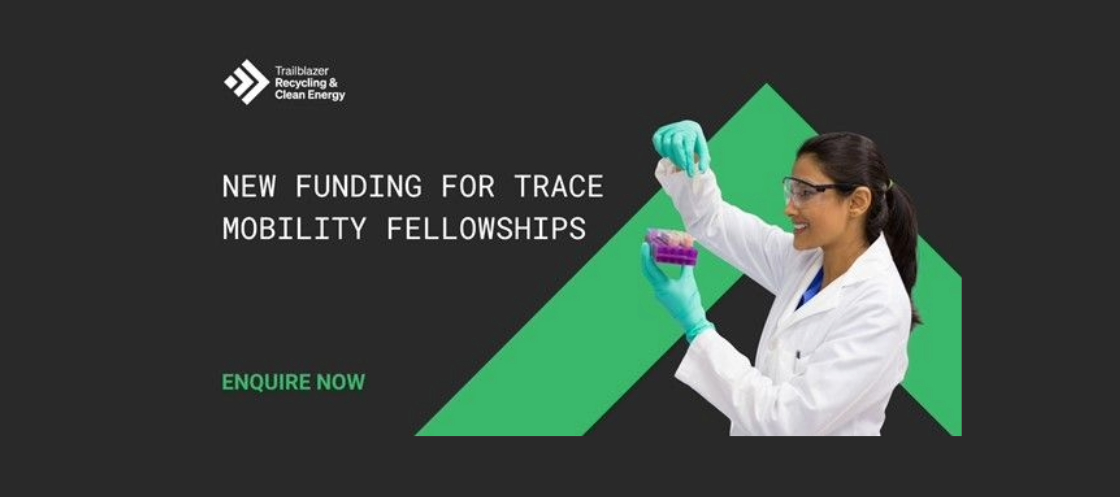
The Trailblazer for Recycling and Clean Energy (TRaCE) has opened its Industry Secondment Program for 2026, providing university researchers and industry partners with a structured way to work together on applied research projects with a commercial focus from the outset.
TRaCE is a joint initiative of UNSW and the University of Newcastle, delivered through a $280 million program established by the Australian Department of Education.
The TRaCE program was created to address gaps between research capability and commercial outcomes in clean energy and recycling.
How the two-way exchange works
TRaCE secondments are designed as a two-way exchange between university staff and industry partners.
The Industry Secondment program supports short- to medium-term secondments that allow university staff to be based within an industry partner organisation, or for industry staff to work onsite at either the University of Newcastle or UNSW. Secondments can run from as little as two weeks through to 12 months, depending on the needs of the project and participants.
University researchers or staff with specialist expertise are supported to immerse themselves in industry settings, gaining direct exposure to operational constraints, customer needs and commercial decision-making. At the same time, industry partners can undertake placements within university laboratories or facilities, working alongside research teams on industry-funded projects.
The stated aim is to support research translation within company settings, whether start-ups or established firms, while also enabling industry researchers to gain lived experience within a university research environment. In both cases, collaboration is intended to support faster progression of R&D projects.
Through repeated exchanges, TRaCE also aims to build longer-term relationships, including ongoing scientific, technical and commercial connections between industry and the two universities.
From customer insight to product development
One example outlined by TRaCE involves a university research engineer being seconded into an industry partner to gain a deeper understanding of customer needs and how those needs influence product development.
In practice, this could include the research engineer accompanying a business development executive on customer visits or participating in a roadshow. The intent is for researchers to directly observe how customers assess value, performance and cost.
TRaCE notes that these insights can then be integrated into technology development, helping researchers design solutions that address customer needs and align with what the market is willing to pay for.
Eligibility and who can apply
The TRaCE Industry Secondment Program is open to a range of participants across university and industry settings.
Eligible applicants include university staff already working on a TRaCE R&D project who wish to undertake a secondment within a partner organisation. University staff not currently involved in a TRaCE project, but who can contribute relevant expertise to an existing project, are also eligible to apply.
Industry partner staff with relevant experience can apply for secondment into either the University of Newcastle or UNSW, where they can work within research teams to support project delivery while gaining direct experience in a university research context.
How to find out more
Researchers or organisations interested in learning more about the program can contact the TRaCE team at trace@newcastle.edu.au.