NSW coal workforce audit reveals challenges for regional job transitions
New research into NSW's coal mining workforce provides a clearer picture of the workers, skills and regional economies that will be central to future employment and industry planning.
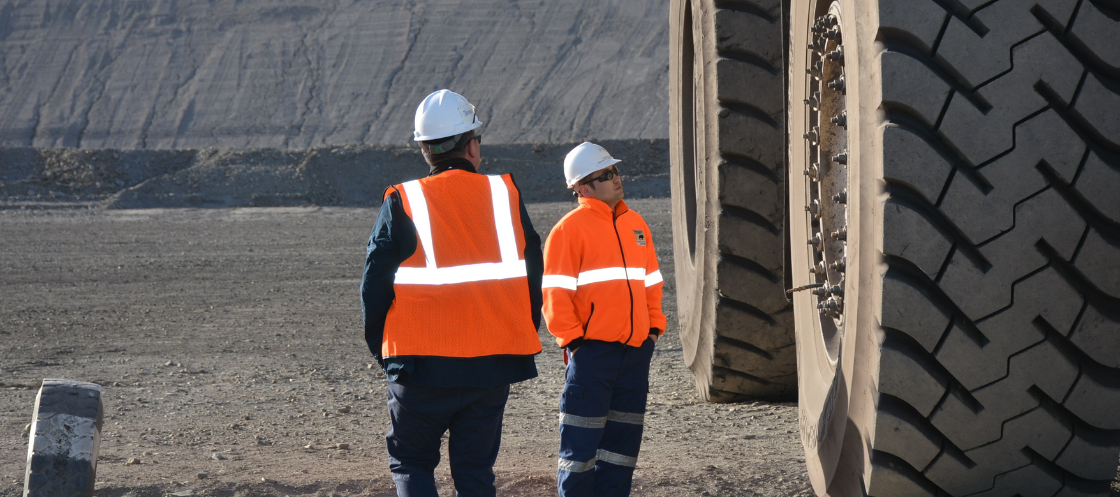
Nearly two-thirds of NSW's coal mining workforce is concentrated in the Hunter, while coal mining accounts for more than half of economic output in the Central West, according to a statewide workforce audit released by the NSW Government.
The Skills Audit for the NSW Coal Mining Sector, released on 5 November 2026, examines the occupations, qualifications, incomes and locations of coal workers across the Hunter, Central West, North West and Illawarra.
The findings will inform the work of the newly legislated Future Jobs and Investment Authority, which is intended to support employment, industry investment and economic development in NSW's coal-producing regions.
A workforce with technical skills and higher incomes
Across the four regions, the audit identifies 21,837 direct coal mining jobs, with machinery operators and drivers accounting for approximately 46 per cent of workers and technicians and trades workers making up another 30 per cent.
More than half of workers hold certificate-level qualifications, while approximately 40 per cent are aged 45 or older.
The report also finds that coal mining workers generally earn more than employees in other industries within their regions.
In the Hunter, 66 per cent of coal workers earn at least $2,000 a week, compared with 15.8 per cent of workers in other industries. In the Central West, the corresponding figures are 69.8 per cent and 12.9 per cent.
These income differences present a challenge for future workforce planning, with the audit identifying the potential difficulty of encouraging workers to move into industries offering lower wages.
While the report provides a detailed picture of occupations and qualifications, it does not assess individual workers' skills. Instead, it uses existing workforce data to identify general capabilities that may be relevant to employment in other industries.
Different challenges across coal regions
The Hunter has the largest coal workforce in NSW, with 13,960 direct jobs and 19 active mines in the 2025–26 financial year.
Coal mining contributes an estimated $44.6 billion in economic output across the seven Hunter local government areas examined in the audit.
The workforce also has strong local ties, with 92.8 per cent of Hunter coal workers living within those seven areas, which include Singleton, Muswellbrook, Cessnock, Maitland, Newcastle, Lake Macquarie and Upper Hunter Shire.
In the Central West, the audit identifies 2,942 coal mining jobs across Lithgow and Mid-Western local government areas. Coal mining accounts for 55.2 per cent of the region's economic output, contributing an estimated $9.3 billion.
The North West, covering Narrabri, Gunnedah and Liverpool Plains, has 1,860 coal mining workers and five active mines. Coal mining contributes $5.4 billion, or 49.5 per cent of the region's economic output.
In the Illawarra, the audit identifies 3,075 coal mining workers, with approximately 76 per cent employed as machinery operators and drivers or technicians and trades workers.
The regional findings provide information about the scale of coal mining employment, the concentration of workers in particular occupations and the extent to which local economies depend on the industry.
Planning for future employment and investment
The audit comes as the NSW Government progresses the establishment of the Future Jobs and Investment Authority, which will support coal-producing communities as mining operations and employment opportunities change over time.
The Authority's framework includes an advisory board and local divisions for the Hunter, Central West, North West and Illawarra. The Government has indicated that the Hunter and Central West divisions will be established first.
The NSW Government says it is contributing $22.5 million annually to the Future Jobs and Investment Fund, which will provide more than $170 million to support employment and economic opportunities across coal-producing regions.
Minister for Natural Resources Courtney Houssos said the audit would help direct future workforce support.
"This Skills Audit is the first of its kind in NSW. It means we can match people with future jobs and target training and education where it will make the greatest difference, building on the skills of our coal workforce."
MEU Northern Mining and NSW Energy District President Robin Williams said future investment would need to account for the wages and conditions of existing coal workers.
"These aren't jobs that can easily be replaced. New industries and investment in the Hunter need to deliver secure, well-paid jobs that allow workers and their families to maintain a decent standard of living."
The audit will also provide a starting point for further work examining when coal workers may become available as mines close or seek extensions to their operations.
Future research is expected to examine workforce availability, skills shortages and opportunities for workers to move into other industries. The Government also intends to use mine workforce plans to improve its understanding of potential employment changes, subject to proposed legislative and regulatory requirements.
The report has been made publicly available for local councils, employers, mining companies, industry organisations and other groups involved in regional workforce and investment planning.