Orange event to examine the commercial case for electrified farming and on farm energy
Rising fuel and fertiliser costs, energy security concerns and changing farm economics will shape discussions at the National Renewables in Agriculture Conference and Expo in Orange, where producers will examine practical ways to reduce costs, diversify income and integrate energy systems into their farming businesses.
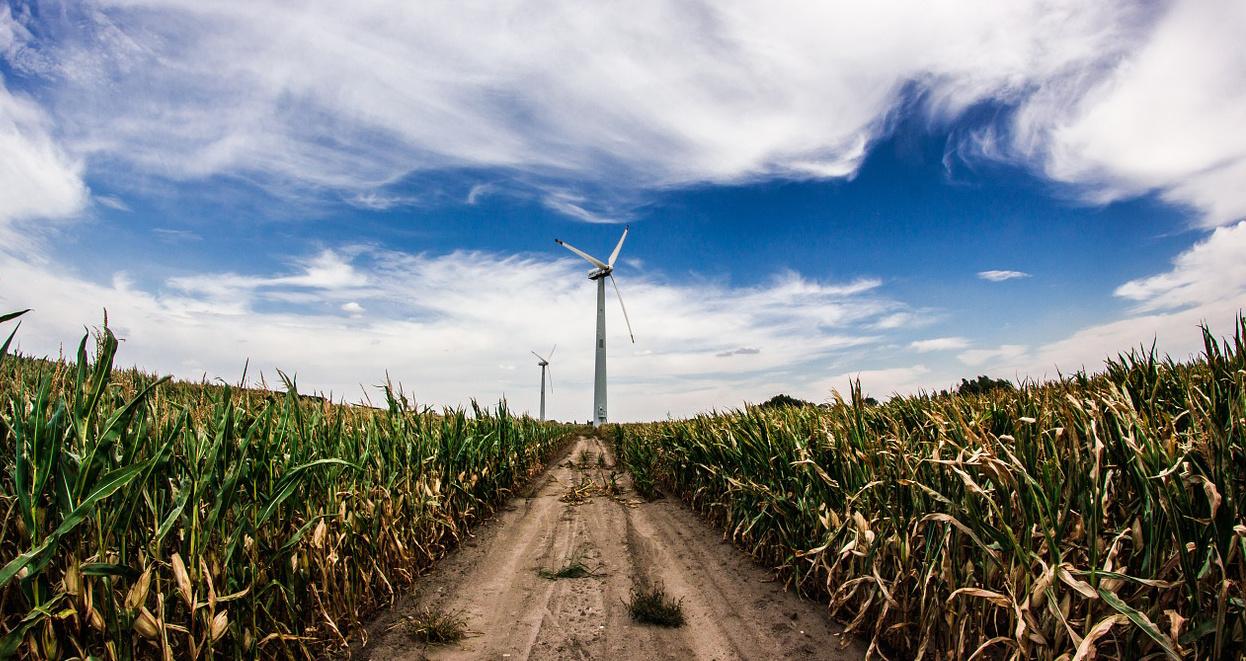
Australian farmers are increasingly weighing energy decisions alongside traditional farm management as fuel and fertiliser costs, commodity price volatility, labour shortages and more variable weather continue to affect business performance.
Those issues will form the basis of discussions at the National Renewables in Agriculture Conference and Expo in Orange on 12 August, where producers, advisers, industry representatives and government will examine the commercial case for electrifying farm operations and reducing emissions.
Following two sold out years, the conference program focuses on practical examples of renewable energy technologies already being used on Australian farms, including battery storage, solar powered irrigation, electric vehicles, biofuels and on farm fertiliser production. Sessions will also cover agrivoltaics, hosting large scale renewable energy developments and approaches to benefit sharing with regional communities.
Conference founder Karin Stark said Australia's dependence on imported refined fuel had exposed the agricultural sector to supply disruptions and rising costs.
"The conference is an important way to showcase farmers who are already using renewable energy to cut costs, improve efficiency and create new income streams. Australia currently imports 90 percent of our refined fuels and we've seen how vulnerable agriculture is to global supply shocks."
"We've ensured this year's program includes ways farmers can be more self-sufficient so the conference covers topics ranging from battery storage and solar-powered irrigation to electric farm vehicles, biofuels and on-farm fertiliser production."
Farmers share business models already in operation
Rather than focusing on future technologies, the conference program centres on businesses already using renewable energy systems as part of day to day operations.
Southern Tablelands farmer Francis Clark will discuss his experience installing New South Wales' first bi directional electric vehicle charging system. After more than two years using a Nissan Leaf to store solar energy, supply electricity to his property and export power to the grid when market conditions suit, he will outline how vehicle batteries can become part of a farm's energy system rather than simply providing transport.
Dubbo farmer Tom Warren will discuss grazing sheep beneath solar panels and the taxation considerations associated with hosting large scale renewable energy developments. Farmer and lawyer Claire Booth will examine insurance and risk issues affecting both landholders and neighbouring properties involved with solar and wind projects.
The program also includes Gippsland poultry farmer Chris Freney, whose bioenergy project has been designed around electricity generation, carbon dioxide capture and nutrient recovery for algae and spirulina production. His operation is intended to use around half of its electricity output on farm, with the balance sold into the market during evening peak demand periods.
Renewable projects create additional farm income
The conference will also examine how renewable energy developments can become another part of a farming enterprise.
Mixed livestock producer Tom Gunthorpe from Kangiara, New South Wales, will outline how his family business has incorporated wind energy alongside livestock production while working with neighbouring landholders to establish a decommissioning fund for the end of the turbines' operating life.
"Our business is producing food and fibre and now we have a new business producing energy," Gunthorpe said.
"We run 700 head of cattle, 1500 sheep and have 9 turbines."
His presentation will also cover the role passive income has played in supporting business viability during drought and why he believes an industry wide framework for turbine decommissioning would give landholders greater certainty.
Networking and site visits extend the discussion
The conference will be preceded by a farmers only networking session on the afternoon of 11 August, giving producers the opportunity to discuss projects directly with speakers before the main event.
Optional tours on 13 August will visit either a solar powered winery or the Flyers Creek Wind Farm, allowing participants to inspect operating renewable energy systems in a commercial setting.
Conference sessions will cover electric utes, green hydrogen, battery storage, bioenergy, solar pumping, future electricity networks and the commercial considerations involved in hosting large scale renewable energy projects. This event provides a forum for primary producers to assess proven approaches that can be applied across Australian farming enterprises.