
Recycling pilots and reuse pathways point to a new phase for rooftop solar
A new national pilot for solar panel recycling, announced alongside a Productivity Commission report, is drawing attention to how Australia is exploring alternatives to managing ageing rooftop systems
The Albanese Government has announced a national pilot program to improve how end-of-life solar panels are collected and recycled, following the release of a Productivity Commission report examining circularity in Australia’s economy.
Under the pilot, the Commonwealth will invest $24.7 million over three years to establish up to 100 collection sites across the country. The program is intended to reduce landfill volumes and improve access to materials contained in solar panels, including copper, silver and aluminium.
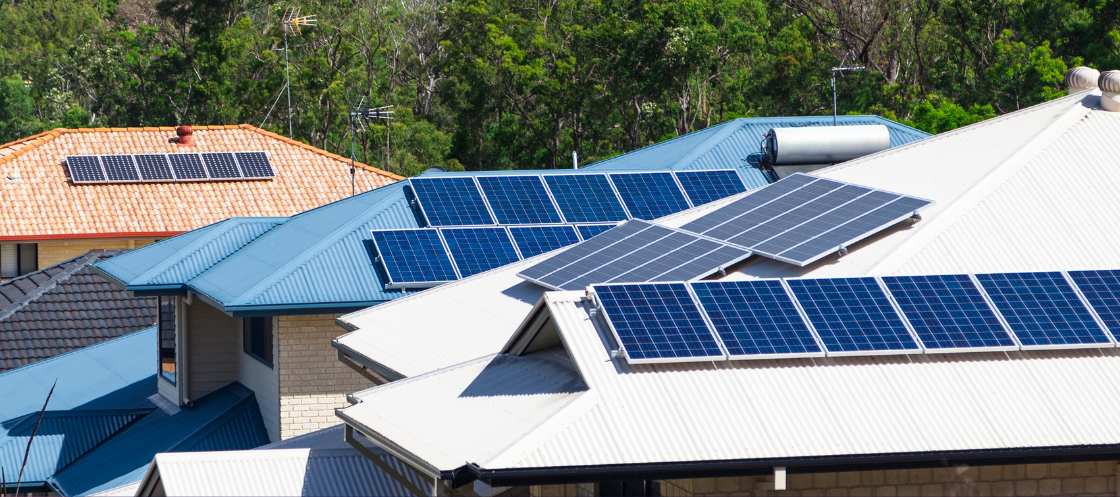
Australia has one of the highest rates of rooftop solar uptake in the world, with more than one in three households now generating electricity from panels installed on their roofs. As systems age or are replaced, the volume of panels reaching the end of their use is increasing.
The Productivity Commission’s report identified solar panels as a high-value, high-risk waste stream and recommended the establishment of a national recycling scheme. At present, only 17 percent of solar panels are recycled, with many panels stockpiled, sent to landfill or exported for reuse.
Treasurer Jim Chalmers said the pilot was designed to improve productivity while reducing waste.
“Recycling solar panels and reusing the essential components will reduce costs and make our economy more productive and efficient,” he said.
The Government said it would consider the findings of the Productivity Commission inquiry and work with states and territories to improve long-term solutions for solar panel waste
Why panel waste is rising faster than expected
Research cited by CSIRO indicates that Australia has approximately 70 million rooftop solar panels installed, representing around 25.3 gigawatts of capacity. By 2030, more than one million panels are expected to require replacement each year.
While solar panels are typically designed to operate for 25 to 30 years, CSIRO notes there is currently no industry-wide approach for managing panels once they are removed. High recycling costs and relatively low economic returns have limited investment in recycling and reuse technologies, with landfill remaining the default option in many cases.
Solar panels also contain materials such as lead, cadmium and plastics, which can pose environmental risks if not managed properly at end of life.
Reuse before recycling: a different approach
Alongside policy development, some organisations are already working on alternatives to landfill by focusing on reuse before recycling.
The Blue Tribe Company’s Second Life Solar project was developed in response to evidence that many panels entering the waste stream still have years of service life remaining. According to the International Renewable Energy Agency, panels are designed for decades of operation, but in Australia many are removed in under 15 years due to upgrades, storm damage, warranty replacements and changes to incentives.
Founder James McGregor said the scale of early retirement had been underestimated.
“With this earlier than expected retirement of PV systems we estimate that Australia will accumulate up to 1 million tonnes of solar panel waste by 2033 — if laid down end to end these PV panels would encircle the Earth 3 times.”
Blue Tribe’s work, undertaken with CSIRO and local government partners, involved testing panels destined for landfill. In one project supported by the NSW EPA Circular Solar Grants program, laboratory testing found that 46 per cent of panels assessed were fully serviceable, despite being between 11 and 15 years old.
Testing, reuse and recycling working together
Second Life Solar operates as a secondary market for used panels, working with installers to test, transport and redeploy panels that remain functional. Panels that are not suitable for reuse are directed to recycling partners.
A mobile testing system developed with CSIRO allows panels to be assessed on site for electrical output and physical condition, including cracked cells or backsheet failures. In one regional NSW field trial, the majority of panels tested were found to be fully functional.
The project has also demonstrated reuse at scale. In 2024, a 100-kilowatt solar system made entirely from reused panels was commissioned at the Kurrajong Recycling Facility in Wagga Wagga, using panels that would otherwise have been disposed of.
Linking pilots with on-the-ground experience
The national recycling pilot announced by the Commonwealth focuses on collection and material recovery at end of life. Projects such as Second Life Solar illustrate how reuse can sit alongside recycling by extending the working life of panels before they reach that stage.
As governments consider how to manage growing volumes of solar panel waste, existing reuse and recycling initiatives provide practical insights into how a more circular approach to rooftop solar could operate across Australia.