Tackling the looming renewable energy landfill crisis
Originally published by Newcastle Institute for Energy and Resources, this article examines how Australia can turn end-of-life renewable energy infrastructure into a circular economy opportunity, with the Hunter region positioned to convert waste into industrial capability, materials recovery, and future workforce development.
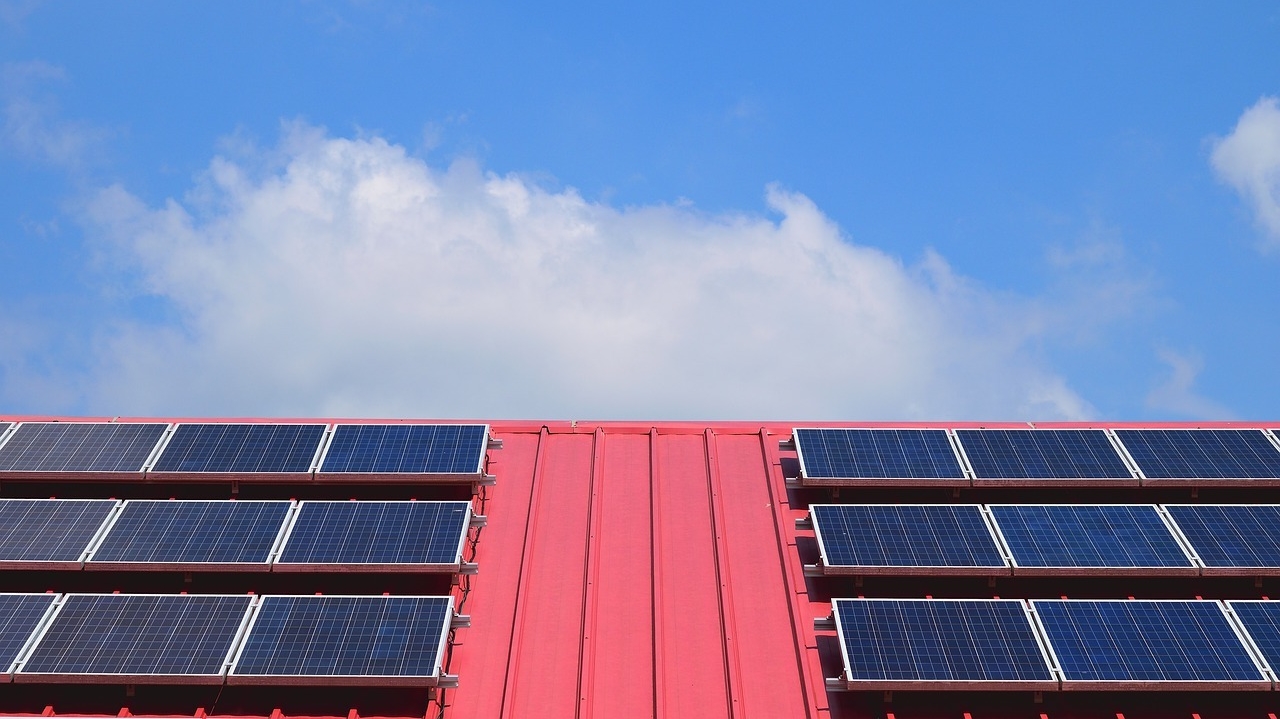
The transition to net zero is a global movement. Renewable energy is expanding at an unprecedented rate, expected to account for 45 per cent of electricity generation by 2030 – with solar photovoltaic (PV) technology being the largest contributor, accounting for more than half of this expansion. As we deploy renewables at scale, a new question emerges: what happens to these technologies at the end of their life? And who captures the valuable materials locked inside them?
Australia has an opportunity to lead the next crucial stage of the energy transition. Given the Australian Government’s target to “reduce emissions to 62-70% below 2005 levels by 2035,” a robust circular ecosystem with low emissions construction and recycling of clean energy technologies needs to be the goal. By more efficiently processing end-of-life solar panels, wind turbines, and e‑waste, we can save salvageable components that would otherwise be sent to landfill. This in turn strengthens supply security by taking advantage of the valuable materials already in circulation which can be reused to build new technologies including renewables.
From waste challenge to sovereign capability
Australians have embraced rooftop solar. One in three homes now have solar PV installed. But underneath this achievement, lies a stark prospect: without intervention, more than 100,000 tonnes of end-of-life solar panels are forecast to enter Australia’s waste stream by 2035. Today, only 17% of the materials in solar PV are being recycled; this is both an environmental risk and a lost economic opportunity.
The good news is that up to 95% of a solar panel’s mass is technically recyclable, including the glass, aluminium frame, copper and junction box. But the barrier to recycling is not possibility, it’s practicality. There are too few dedicated processing facilities, high costs relative to landfill ($28 to recycle vs $4.50 to dispose), and uneven policy settings. If we could overcome these challenges, we could unlock up to $7.3 billion in economic benefits through reduced waste and material recovery.
Wind technology faces a different materials challenge. While most of a turbine’s mass (tower, nacelle metals and wiring) is already recyclable, the blades – engineered from glass and carbon fibre for strength and lightness – are difficult to break down. Without improved recycling methods, the aircraft and wind energy sectors are projected to generate around 840,300 tonnes of carbon‑fibre‑reinforced plastic waste every year by 2050, equivalent to 34 full stadiums.
If we could address these challenges, Australia would have an opportunity to move from ad‑hoc disposal towards sovereign circular capability. This would make it cheaper, cleaner and more efficient to process end‑of‑life solar, wind and e‑waste onshore than to landfill or ship abroad, keeping value in the economy, and building exportable expertise and technology in the process.
Policy momentum is building. The Australian Government has committed $24.7 million in funding over three years to a national solar panel recycling pilot and the establishment of up to 100 collection sites across the country.
While Government incentives are a start, implementation at speed comes from aligned industry–research partnerships and shared facilities that can move quickly from lab concepts to industrial pilots.
The Hunter region is well positioned to achieve take advantage of this circular opportunity. The region combines world‑class research, heavy‑industry infrastructure and a skilled workforce in processing and manufacturing. These capabilities which were once directed towards coal-based industries can be directed to circular, clean‑energy value chains.
NIER’s capability
The University’s Newcastle Institute for Energy and Resources’ (NIER) approach recognises that sector transformation requires collaboration across universities, industry, and government. The NIER Precinct at the University of Newcastle provides the infrastructure where researchers and industry professionals can work side by side, building and validating new technologies informed by real-world conditions.
This integrated approach ensures that innovations don’t remain trapped in laboratories. With industry directly involved from the earliest stages, NIER accelerates the path from concept to deployment. Industry gains access to innovative research and world-class facilities, while researchers benefit from industry insight, real-world data, real materials and support to validate their work at commercial scale.
Innovation in action
NIER researchers have developed a fast, safe and highly effective method for recovering high‑grade silver from end‑of‑life solar panels, that doesn’t require any acid. Their technique can extract more than 97 per cent of the silver in just minutes, marking a major shift away from existing recycling processes that are slow, chemical‑intensive and difficult to scale.
The work, led by Associate Professor Mahshid Firouzi from the University’s Centre for Critical Minerals and Urban Mining (CRITIUM), applies the University’s well‑established mineral‑processing techniques in a new way to advance solar PV recycling. Beyond silver, there are opportunities to apply these techniques to unlock billions of dollars’ worth of other metals and minerals currently trapped in urban and mining waste, maximising valuable mineral resources.
In parallel, researchers are also tackling the challenge of wind turbine waste. In collaboration with NIER, Dubbo Regional Council and other partners, TRaCE researchers Associate Professor Igor Chaves and Dr Sam Chen are investigating how retired turbine blades could be repurposed as additives in cement and other construction materials.
Equally important to R&D is NIER’s commitment to cultivating the next generation of leaders. NIER delivers educational experiences designed to enable, upskill, and empower future professionals who will help Australia realise its potential in a circular economy.
The Trailblazer for Recycling and Clean Energy (TRaCE) — a partnership between the University of Newcastle and UNSW, backed with $50 million through the Australian Government’s Trailblazer Universities Program — is amplifying this effort by expanding research capacity, accelerating commercialisation and deepening industry collaboration in the recycling, reforming and reuse of waste materials. Simultaneously, TRaCE is delivering industry‑co-designed education programs, including a Master of Clean Energy, to build the workforce capacity and capability needed for a cleaner energy future.
A scalable model
By converting end‑of‑life technologies into feedstock for new industry, we reduce environmental risk, capture economic value and build the sovereign capability to power — and repower — the energy transition.
The work underway at NIER and through TRaCE shows how this happens: innovations that cut cost and waste, partnerships to accelerate deployment, impactful education programs, and a Hunter‑based ecosystem ready to scale.