Two policy changes converge to expand opportunities for mid-scale renewable energy
Businesses, farms, community organisations and mid-scale renewable energy developers could gain access to lower upfront costs and new finance options under separate Federal Government and Clean Energy Finance Corporation initiatives aimed at expanding Australia's underdeveloped mid-scale renewable energy sector.
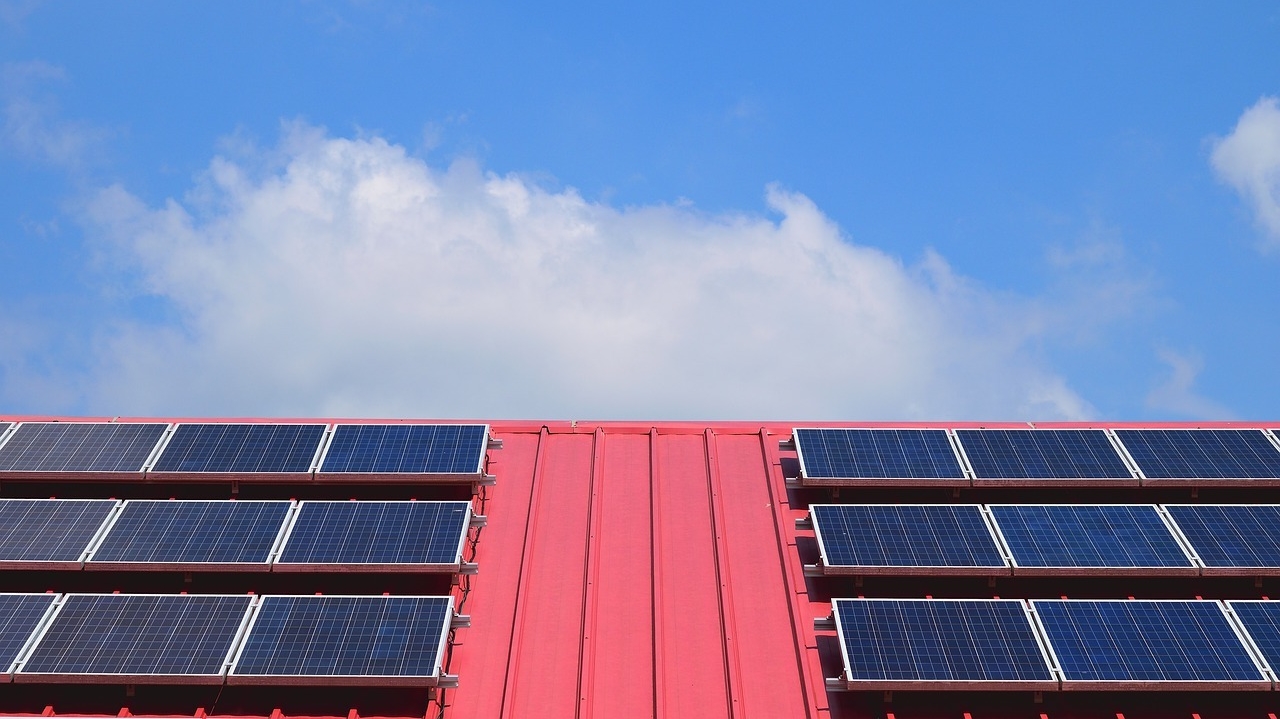
The Federal Government will expand the Small-scale Renewable Energy Scheme (SRES) to cover solar systems up to one megawatt, extending the existing scheme beyond its current 100 kilowatt limit and reducing the upfront cost of medium-sized commercial solar installations by around 20 per cent.
Expected to begin on 1 October 2026, subject to the necessary regulations, the change is designed to allow businesses, farms and community facilities to install systems better matched to their electricity demand while making greater use of large commercial rooftops.
According to the Institute for Energy Economics and Financial Analysis, Australia has around 22 gigawatts of residential rooftop solar installed, while businesses have installed about 5.6 gigawatts, with most commercial systems remaining below 100 kilowatts.
The Government said expanding eligibility would help address this gap by opening the existing rebate scheme to larger commercial systems across manufacturing, agriculture, retail, transport and logistics, while also extending access to schools, hospitals and community organisations.
Minister for Climate Change and Energy Chris Bowen said the current scheme no longer reflected the needs of larger electricity users.
"One in three Australian homes have rooftop solar, but larger energy users have been locked out because the existing solar rebate only supports systems up to 100 kW."
The Government said generating more electricity where it is consumed could reduce pressure on electricity networks and smooth demand peaks. It also announced plans to improve network connection processes for mid-scale solar projects through targeted rule change requests and changes to the existing framework.
Larger systems offer greater savings
The expanded SRES is expected to lower installation costs for commercial, industrial and agricultural solar projects by about 20 per cent.
Government estimates indicate this could reduce the upfront cost of a 250 kilowatt solar system by about $68,000 and a 500 kilowatt installation by about $136,000.
A 250 kilowatt installation on a medium-sized business could generate around 345 megawatt hours of electricity each year, reducing annual electricity costs by approximately $50,000. An 850 kilowatt system suited to larger industrial users could generate around 1,173 megawatt hours annually, with estimated electricity bill savings of about $175,000 each year.
The Government said the expansion would be delivered through the existing SRES, administered by the Clean Energy Regulator, with expected incremental compliance costs of around $1 to $2 per year continuing to reduce through to 2030.
New finance targets the 'missing middle'
Separately, the Clean Energy Finance Corporation (CEFC) has committed $100 million to establish the Distribution Connected Accelerator Program (DCAP) with infrastructure debt manager Infradebt.
The program is intended to finance a pipeline of up to 16 hybrid renewable energy projects, generally up to five megawatts in capacity, with construction expected to begin from 2027.
The concessional senior debt program is designed to reduce financing barriers for smaller distribution-connected renewable energy projects by using existing network capacity, allowing them to connect more quickly than many larger transmission-connected developments.
CEFC Chief Investment Officer for Renewables and Sustainable Finance Monique Miller said the program targeted a long-recognised gap in Australia's renewable energy market.
"Mid-scale renewables are a powerful lever in unlocking Australia's renewable energy future and are often referred to as the 'missing middle' between individual rooftop solar and utility-scale renewables."
Infradebt Chief Executive Officer Alexander Austin said smaller distribution-connected projects could often move from development to operation more quickly than large-scale projects. He said Infradebt had financed more than 80 infrastructure projects over the past 13 years, including more than 40 distribution-connected renewable energy projects.
Community energy sector seeks equal access
Community Power Agency welcomed both announcements, saying the expanded SRES and the new finance program could create opportunities for community-owned renewable energy projects if they are eligible to participate alongside commercial proponents.
The organisation said its Community Energy Incubator program is currently supporting seven projects across New South Wales and Victoria to reach investment readiness and argued that access to concessional finance could help bring more community projects into construction.
It also said community-owned projects can deliver local economic benefits, encourage community participation and make greater use of existing electricity networks, while calling for funding programs to recognise the broader value these projects provide.
Together, the expanded rebate scheme and the new financing initiative increase the range of support available across the mid-scale renewable energy market, creating new opportunities for commercial, industrial and community proponents planning projects that sit between rooftop solar and utility-scale generation.