Breakfast event to examine how renewable gas fits into NSW industry needs
A June Business Hunter breakfast, supported by the NSW Energy and Resources Knowledge Hub and NIER, will examine how renewable gas can respond to supply risks and support manufacturing across the Hunter.
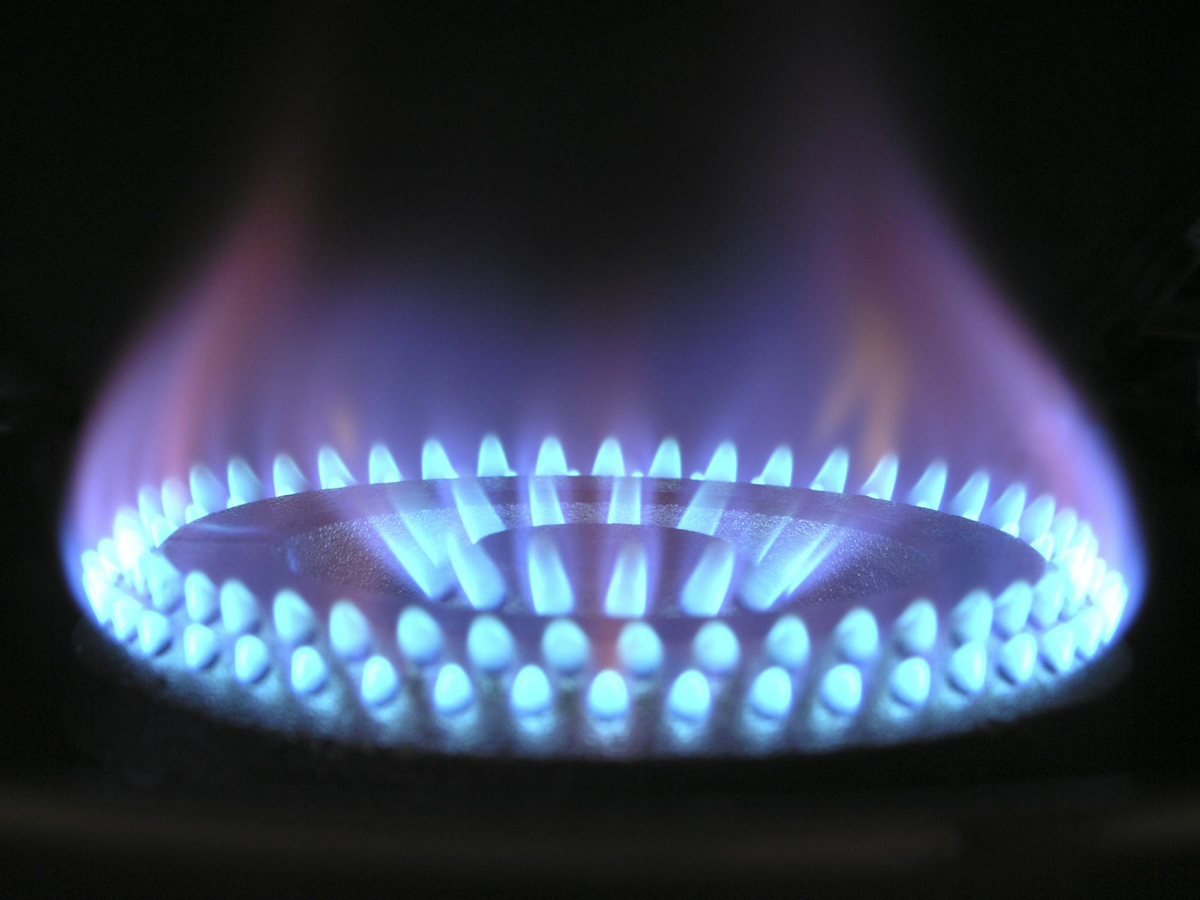
A Business Hunter Energy and Resources Breakfast scheduled for 16 June will centre on renewable gas as part of the transition to lower emissions energy systems, with discussion focused on how supply challenges are evolving and how industry can respond.
The session comes as renewable gas including biomethane, hydrogen and other low emission fuels gains attention as a way to support energy reliability while reducing emissions without disrupting existing operations. The event will examine how these fuels can be integrated into current systems and what this means for businesses operating across NSW.
Held at McDonald Jones Stadium, with support from the NSW Energy and Resource Knowledge Hub and the Newcastle Institute for Energy and Resources, the breakfast will include perspectives from government, research organisations and industry, with a focus on practical pathways rather than future scenarios.
Policy direction and program insight
The event will open with an address from Eric Kimmel, Manager of Low Carbon Industry Programs, outlining the NSW Government’s approach to renewable gas development.
This includes the Renewable Gas Production Program and broader priorities aimed at supporting low carbon industry. The discussion is expected to provide clarity on funding settings and how policy is shaping investment in new gas supply and infrastructure.
These settings are being considered against a backdrop of tightening supply. A recent report from Business NSW warns that declining gas availability is creating risk for industry, particularly where electrification is not viable.
Supply pressure and the role of renewable gas
The Business NSW report, Running on Empty 2.0 – The Evolving Role of Gas in NSW outlines the scale of reliance on gas across the state, with more than 1.5 million households and 50,000 small businesses connected, and around 250,000 jobs linked to gas-supported manufacturing.
It also points to rising costs, with business gas prices increasing by almost 50 per cent over four years, and forecasts shortfalls from 2028.
In that context, renewable gas is identified as a near-term option for maintaining supply while reducing emissions. Biomethane in particular is described as a commercially realistic pathway for businesses that rely on gas to decarbonise without major process changes.
Infrastructure and network integration
Network operators are already trialling ways to integrate renewable gases into existing systems. Jemena has invested in both biomethane and hydrogen, including developing a facility at Malabar that injects biomethane into the gas network and a hydrogen hub in Western Sydney.
These projects demonstrate how renewable gases can be blended with natural gas to lower emissions while using established infrastructure. The approach provides an option for customers to reduce emissions without changing equipment or processes.
At the June breakfast, Jemena’s Engagement Lead for Future Networks, Cissy Shen, is expected to outline how connections to the gas network can support this transition and what is required to scale these solutions.
Waste streams and regional project development
Renewable gas production is closely linked to waste management, with organic waste emerging as a feedstock for biomethane.
NALG Envirotech is progressing projects that convert organic waste into energy, including a proposed facility near Tuncurry that will process up to 95,000 tonnes of waste each year. The project is expected to generate energy equivalent to powering around 1,300 homes while reducing emissions and producing carbon credits.
The development aligns with broader state requirements for Food Organics and Garden Organics processing and reflects how waste infrastructure can contribute to energy supply.
A representative from NALG Envirotech will provide insight into project delivery and how regional developments can support both waste reduction and energy generation.
Research capability and commercial pathways
Research organisations are also contributing to the development of renewable fuels, with the ARC Centre of Excellence for Renewable Fuels bringing together universities and industry partners to advance new technologies.
The Centre is focused on fuels such as hydrogen, ammonia and methanol, which are seen as necessary for reducing emissions in sectors like steel, aviation and chemicals where electrification is limited.
With $35 million in funding plus participation from seven Australian universities and several industry partners, the Centre is working to translate research into commercial outcomes while developing workforce capability.
Dr Jessica Allen, Deputy Director at the Centre, will outline current research themes and where opportunities are emerging for industry engagement.
Industry discussion and practical implications
The panel discussion, facilitated by Business NSW Policy Lead Leah Tucker, will bring together perspectives from across policy, research and industry to examine how renewable gas can be deployed at scale.
The discussion will consider infrastructure requirements and how businesses can participate in emerging supply chains. It will also examine how renewable gas fits alongside existing energy sources to support reliability while reducing emissions.
For businesses, the session is expected to provide insight into how renewable gas can be integrated into operations and what support mechanisms are available.
Business Hunter Energy and Resources Breakfast June 2026
- Tuesday 16 June 2026 7:00 am - 9:00 am
- McDonald Jones Stadium, Turton Road, Broadmeadow