Now open: NSW decarbonisation funding with twin focus on biomethane and plant upgrades
Applications have opened for funding under the Industrial Decarbonisation Initiative, with two separate programs targeting emissions reduction across mining, manufacturing and renewable gas production in NSW.
Two $40 million funding streams are now open in NSW, directing co-investment into industrial upgrades and biomethane projects that can be delivered and operating by 2030. The funding is aimed at supporting industrial facilities to reduce emissions while maintaining competitiveness as the economy transitions toward net zero.
Manufacturing and mining are identified as major contributors to the state’s emissions profile, accounting for about 30% of total emissions. The NSW Government states that accelerating decarbonisation in these sectors is required to meet its legislated targets of a 70% reduction in emissions by 2035 and net zero by 2050.
Low Emissions Industry Program
The Low Emissions Industry Program provides $40 million in funding to support emissions reduction projects in mining and manufacturing facilities. Individual businesses can apply for between $500,000 and $10 million, covering up to 50% of project costs.
To be eligible, facilities must have reported emissions under the National Greenhouse and Energy Reporting (NGER) Scheme in the 2024–25 reporting year and must not be Safeguard or oil and gas facilities. Projects must reduce emissions by at least 1,000 tonnes per year and be fully commissioned and operational by June 2030.
Eligible works include fuel switching, upgrades to kilns and boilers, waste heat recovery, heat pump installations and broader facility retrofits such as insulation and process changes.
Applications for this program close on Tuesday, 9 June 2026 at 11:00pm (AEST).
Renewable Gas Production Program
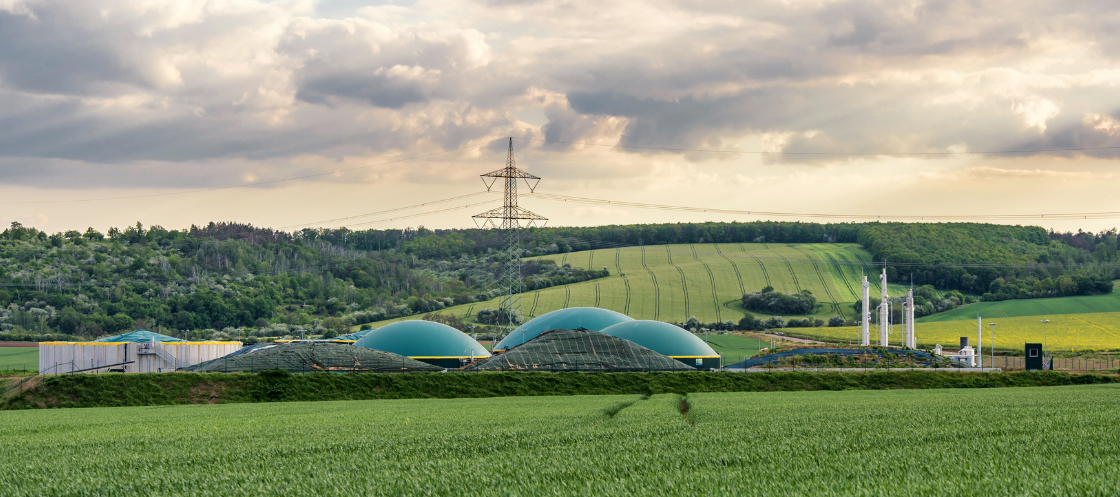
A second $40 million funding stream is available through the Renewable Gas Production Program, focused on developing biomethane production facilities and associated infrastructure.
Funding of up to $20 million per project is available, also covering up to 50% of costs. Projects must produce front-of-meter biomethane and inject at least 0.1 petajoules per year into the NSW gas network by June 2030.
Eligible applicants must plan to own or operate a biomethane production plant and, at the full application stage, demonstrate agreements with feedstock suppliers, gas network operators and an industrial off-taker within NSW.
Projects are required to cover the full biomethane value chain, including feedstock preparation, production, delivery and network injection. Funding can support capital works, engineering design, procurement and operational components linked to project delivery.
The program is positioned as part of the NSW Renewable Fuels Strategy, with the NSW Government stating, “Biomethane is a low carbon alternative for natural gas. It will help decarbonise the hard-to-abate industrial facilities that are responsible for almost 30% of our state’s total emissions.”
Expressions of interest close on Friday, 24 April 2026 at 11:00pm (AEST), with successful applicants invited to submit a full application.
Application process and support
The Renewable Gas Production Program follows a two-stage process, beginning with an expression of interest addressing four merit criteria, followed by a full application requiring more detailed evidence across six criteria.
The Low Emissions Industry Program requires a single-stage application submitted through the NSW grants management system.
An online Q&A session for both programs is scheduled for Tuesday, 31 March at 10:00am (AEDT), with additional support available via the NSW Department of Climate Change, Energy, the Environment and Water.
Additional funding for metering and monitoring
Alongside the two primary programs, further support is available for businesses to install permanent submeters, upgrade metering and monitoring systems, and use data insights to inform emissions reduction actions.
These complementary measures are intended to improve visibility of energy use and support project development across industrial facilities considering future upgrades.