
Southern Tablelands microgrid to inform how regional towns manage outages
A new solar and battery microgrid planned for Braidwood in Southern NSW will not only aim to keep power flowing during bushfires and storms, but also test how islandable energy systems could work in regional communities facing grid constraints and long outage risks.
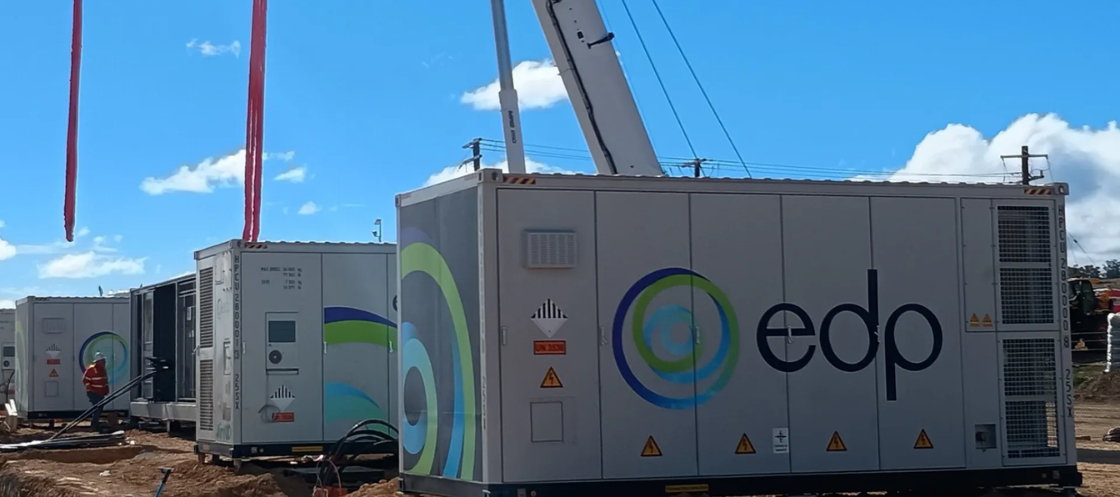
The Federal Government has announced support for a renewable energy microgrid in Braidwood, with the project set to examine how regional communities at the edge of the electricity network can maintain power during major disruptions.
The Braidwood Renewable Energy Project will deliver an islandable solar and battery microgrid designed to serve the township and surrounding communities in the NSW Southern Tablelands. During major outages, the system will be able to operate independently from the wider electricity grid, allowing electricity supply to continue when bushfires, storms or severe weather disrupt transmission.
Braidwood sits at the end of a single distribution line and is considered vulnerable to prolonged outages due to its location in a high bushfire risk area. During the 2019-20 Black Summer bushfires, the town came close to becoming isolated from the National Electricity Market.
The Albanese Government said the project is intended to improve reliability for regional communities while reducing dependence on diesel generation during emergencies.
“The Braidwood microgrid is exactly what Australia’s energy transformation is about, cleaner, cheaper and more reliable power for the communities that need it,” Minister for Climate Change and Energy Chris Bowen said.
More than backup power
The project is being developed by EDP Renewables Australia in partnership with Essential Energy and Braidwood Clean Energy Incorporated, supported by $3 million from the Australian Renewable Energy Agency (ARENA) through its Regional Microgrids Program.
ARENA lists the total project cost at $15.57 million, with work expected to run from May 2026 through to May 2028.
While the government announcement referred to a 5 MW solar system paired with a 5 MW/10 MWh battery, ARENA project details indicate the proposal involves a 7.2 MW solar photovoltaic system alongside the battery storage component.
Under normal operating conditions, the system will operate as a grid-connected solar and battery project participating in the National Electricity Market. During upstream supply interruptions, Essential Energy will take operational control to maintain supply while the microgrid operates independently.
This arrangement will require project partners to work through technical, regulatory and commercial issues, including network rules, reliability obligations, customer protections and operational protocols for switching control between operators.
ARENA said the work is intended to help address barriers that have limited broader deployment of microgrids in regional Australia.
A test case for fire-prone communities
The Braidwood project is also expected to provide insight into the economics and operation of islandable microgrids in communities exposed to bushfire risks and grid constraints.
According to ARENA, the project will investigate how temporary stand-alone power systems can strengthen resilience while potentially delaying costly infrastructure upgrades that might otherwise be needed to improve reliability.
Minister for Emergency Management and Member for Eden-Monaro Kristy McBain said the project reflected lessons learned from past disasters.
“Having lived through the Black Summer bushfires we all know Braidwood is in a high-risk bushfire area, which is why we are investing in providing a practical solution that will make the community more resilient come the next potential natural disaster,” Ms McBain said.
ARENA’s Regional Microgrids Program, which provided funding for the project, closed to new expressions of interest in December 2025 after supporting projects intended to improve electricity reliability and resilience in regional and remote communities.
Across NSW, where communities face increasing pressure to maintain reliable electricity through severe weather events and changing energy demands, projects like Braidwood may offer lessons on how localised power systems could support resilience at the edge of the grid.