Waste, livestock and land management updates widen carbon market access for regional Australia
Updated carbon crediting methods are set to broaden how farmers, land managers and waste operators earn income from emissions reduction, with flow-on effects for regional economies including the Hunter.
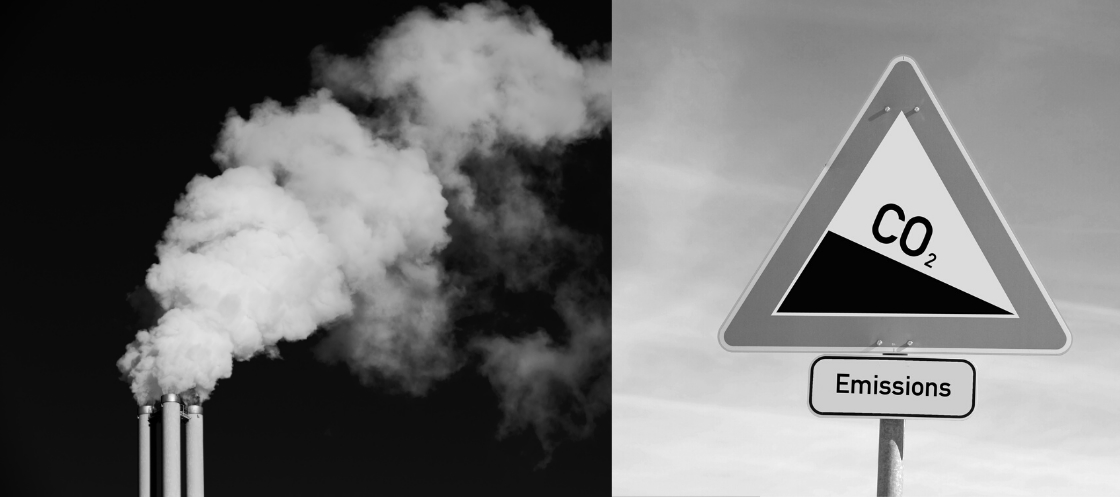
The Australian Government has introduced a suite of new and revised Australian Carbon Credit Unit (ACCU) methods aimed at increasing participation in emissions reduction activities while creating additional income streams for regional industries.
The changes include two new savanna fire management methods and updates to existing livestock and waste management approaches, with the intent of improving how emissions reductions and carbon storage are measured and credited.
Minister for Climate Change and Energy Chris Bowen said the additions recognise the scale of carbon outcomes achievable through land management, stating, “It’s great to see two new ACCU methods that account for the huge scope of carbon retained by careful savanna fire management.”
The methods are designed to support farmers, businesses and communities to generate ACCUs while contributing to national emissions reduction targets.
First Nations fire practices embedded in new approach
The two new savanna fire management methods formalise the use of low-intensity early dry season burns, often referred to as ‘cool burns’, to reduce emissions from large-scale late-season fires and increase carbon stored in vegetation and organic matter.
These approaches draw on long-standing First Nations land management practices, combined with updated scientific understanding of carbon dynamics in savanna ecosystems.
For the first time, the methods include more detailed accounting for carbon stored in specific vegetation types, which allows for more precise crediting of fire management activities.
This is expected to increase the number of ACCUs that eligible projects can generate, particularly for Indigenous-led land management enterprises across Northern Australia.
Livestock method to reflect emerging science
A revised livestock method is also under development, led by Meat and Livestock Australia, and is expected to incorporate advances in reducing methane emissions from cattle.
The proposed method focuses on feed additives that can lower methane output, creating a potential additional revenue stream for producers while helping manage exposure to market and seasonal variability.
If implemented, it will replace the previous Beef Cattle Herd Management method, which has expired.
Minister Bowen said the broader updates reflect industry involvement in refining the scheme, noting, “I’m also pleased to see industry taking the lead to revise and remake two older methods to encompass new scientific developments in livestock and waste management.”
Waste sector to gain from diversion incentives
The waste and resource recovery sector is also set to benefit from updates to the Alternative Waste Method, currently being developed by the Australian Resources Recovery Council.
The revised method is expected to encourage the diversion of mixed solid waste away from landfill, supporting increased production of fertiliser and biofuels.
This creates a pathway for waste operators to generate ACCUs while contributing to circular economy outcomes and reducing landfill emissions.
At the same time, the Coal Mine Waste Gas method will not be remade, reflecting reduced value as electricity generation shifts and existing regulatory incentives take effect. Current projects under this method will continue to receive credits for the remainder of their approved periods.
Regional economies positioned to benefit
Assistant Minister for Climate Change and Energy Josh Wilson said the updates improve both environmental and economic outcomes tied to the ACCU scheme, stating, “Each new method and update improves how we store carbon, avoid emissions, and reward the projects that help us on our way to net zero, recognising that in all cases there are additional benefits in terms of environmental outcomes and economic development in rural and regional Australia.”
The expansion of eligible activities across land management, agriculture and waste creates broader entry points for regional businesses to participate in carbon markets.
For regions like the Hunter, where agriculture, waste management and industrial activity intersect, the updated methods point to a wider set of commercial opportunities tied to emissions reduction, particularly as local businesses look for practical ways to diversify income while responding to changing energy and environmental settings.